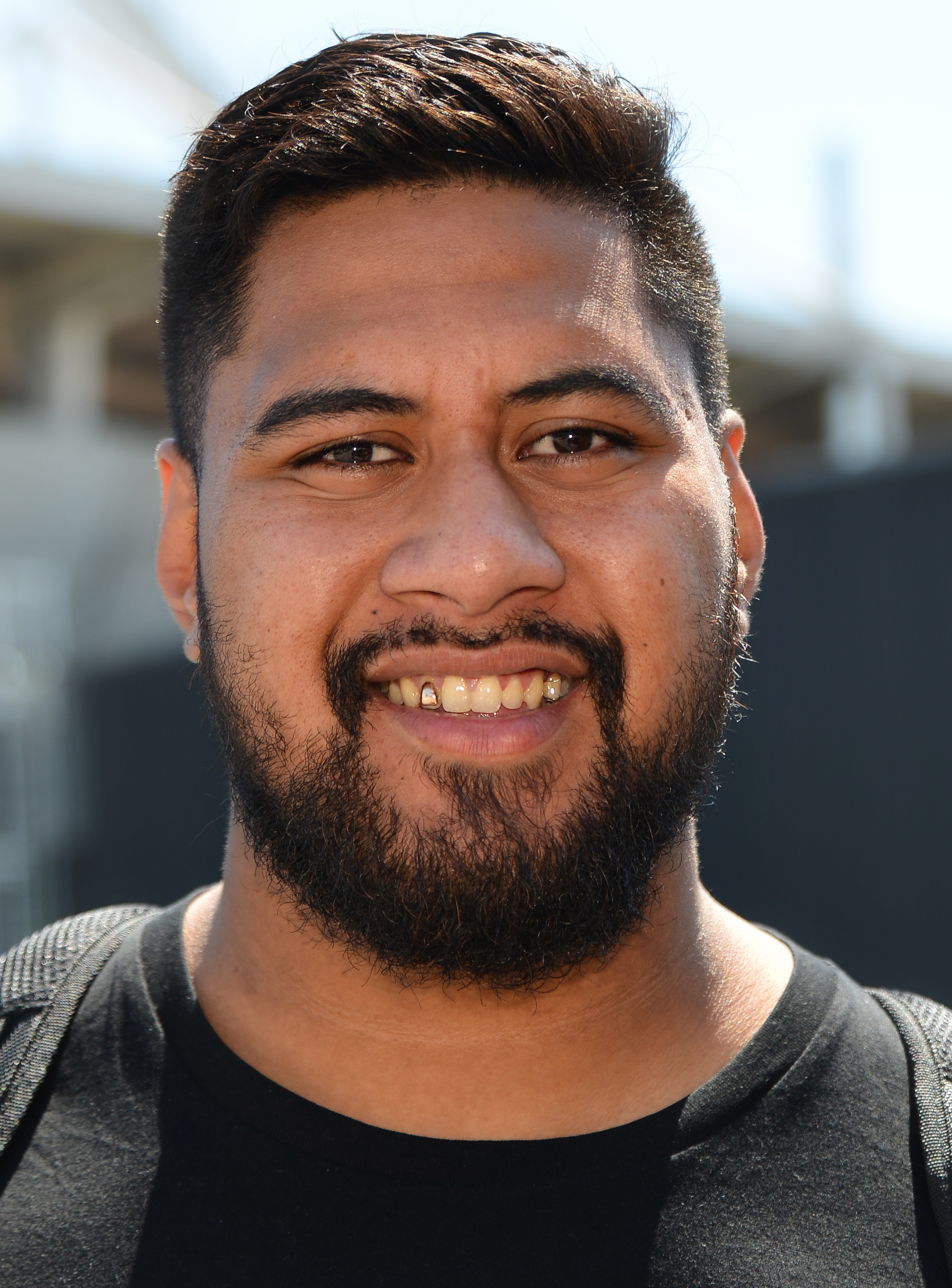
Edwin Maka
Born February 25, 1993 in Auckland, New Zealand • Next birthday: February 25, 2026
February 25, 1993
Auckland, New Zealand0
0 likesFebruary 25, 2026
48 days away105
Updated just nowFew names resonate in the annals of Tonga's history like Edwin Maka - a towering rugby union player whose story defied convention and challenged expectations.
Born on 1993-02-25 in Auckland, New Zealand, Maka grew up within the rich currents of Pacific Island rugby culture, shaped by familial legacies and the fierce athleticism of his predecessors. Consequently, his early years blended raw potential with long stretches of obscurity, as coaches and scouts struggled to place his unique physical gifts into established molds. When he eventually broke through with Stade Toulousain in France's Top 14, he emerged not merely as a competitor but as a force who unveiled new defensive dynamics and created fresh patterns of forward play.
Beyond his professional success, Maka carried a quiet inner fire - a desire to honor his Tongan heritage while forging an identity distinct from his celebrated relatives. Moreover, his evolution mirrored that of other Pacific greats, yet he differentiated himself through an almost artistic capacity to reshape contact zones, bending the game's grammar into something at once brutal and expressive.
A key aspect of his later life was his persistence in European circuits, where he battled injury, inconsistency, and the restless search for belonging. Despite this, he delivered performances that captivated international audiences, proving that innovation in sport often springs from those who once stood in the shadows. His tenure with Toulon and later clubs demonstrated a maturity that blended discipline with the passionate flair characteristic of many Oceania athletes.
Decades later, Edwin Maka's indelible impact endures - inspiring new generations across Tonga and beyond, leaving us with the lesson that greatness often emerges from those who dare to reinvent the world around them.
Watch Video
Career & Achievements
- Top 14 debut with Stade Toulousain (2012)
- European Cup appearances with Toulouse (2012–2016)
- Key forward performances in Top 14 playoffs (2013–2015)
- Transfer and impact at RC Toulon (2017)
- Leadership roles in forward pack development (2018)
- Contributions to Tongan rugby heritage (2010s)
- Innovative ball-carrying style influencing younger players (2010s–2020s)
Personal Details
Latest News
Star Weekly
Edwin Maka returns to grassroots rugby with local club Bulldogs
In a surprising move, Edwin Maka featured as a try scorer for the Bulldogs in a 19-17 win - marking his return to grassroots club rugby after a professional career overseas. The appearance showcases his ongoing passion for the sport beyond the elite leagues.
FAQ
Is Edwin Maka only associated with Tongan rugby?
While Edwin Maka proudly represents Tonga through his heritage, he is also strongly associated with New Zealand, where he was born, and France, where he built most of his professional career. Many fans assume he played exclusively for Tonga, but his identity reflects a blend of Pacific and international influences. His years in Europe shaped his technique and visibility. This multicultural athletic path highlights the global nature of modern rugby.
Did Edwin Maka become famous early in his rugby career?
A common misconception is that Maka achieved early fame due to his size and family legacy, but his rise took time. He spent years refining his technique and finding his place in competitive systems that didn't always know how to use him. His breakthrough with Stade Toulousain came only after periods of doubt and limited playtime. This journey demonstrates how persistence can reshape a player's destiny.
Is Edwin Maka known primarily for scoring tries?
Although Maka has scored important tries, his reputation comes from his physical dominance, ball-carrying power, and defensive disruption. Many casual fans mistake him for a high-scoring forward, but his true impact lies in shaping the flow of the match. His performances often changed momentum even without appearing on the scoreboard. This makes his contribution more strategic than statistical.
Did Edwin Maka play for many different clubs?
Some believe Maka frequently changed teams, but his career shows long, meaningful stints with key European clubs. Toulouse and Toulon formed the core of his professional development. His stability allowed him to master European rugby systems and become a respected figure in the forward pack. Any later moves reflected growth, not instability.
Is Edwin Maka's playing style typical of Pacific Island forwards?
Maka shares the strength and intensity common among Pacific forwards, but his style includes unique elements. He manipulates contact zones in ways that many analysts describe as unusually fluid for a player of his size. Observers often note his blend of creativity and force, which sets him apart. His approach shows that individuality thrives even within celebrated rugby traditions.
Is Edwin Maka mainly known due to his family's rugby reputation?
Although Maka comes from a respected rugby family, his achievements stand independently. Many assume he succeeded because of his relatives, but he created his own identity through discipline and unconventional play. His development in European leagues formed a path different from his predecessors. His legacy shows that heritage can inspire, but personal excellence defines a career.
Did injuries stop Edwin Maka from reaching his full potential?
Injuries challenged Maka throughout his career, but they did not define him. Some observers believe his setbacks limited his growth, yet he repeatedly returned with improved technique and determination. His resilience became part of his narrative, showcasing mental strength as much as physical power. These obstacles ultimately added depth to his legacy.
Is Edwin Maka retired from rugby?
Many fans assume Maka has retired due to early career injuries, but he has remained involved in professional rugby in various capacities. His journey continues to evolve, shaped by new opportunities and shifting athletic goals. Whether on the field or supporting team development, he remains connected to the sport. His career reflects adaptation rather than conclusion.
⚔️ Who's More Influential?
Marija Vučenović
athletics competitor
François Trinh-Duc
rugby union player
👆 Click on your favorite to vote